ZOE. A Body Without a Centre, a Body in Relation Katarzyna Sporn | solo exhibition
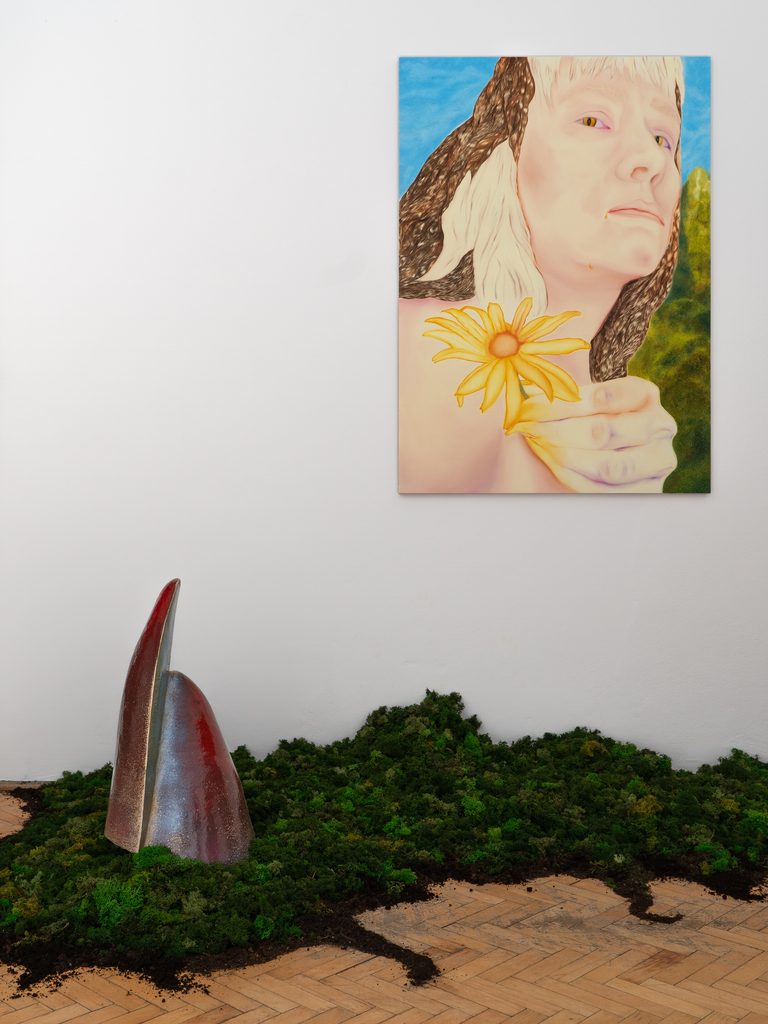
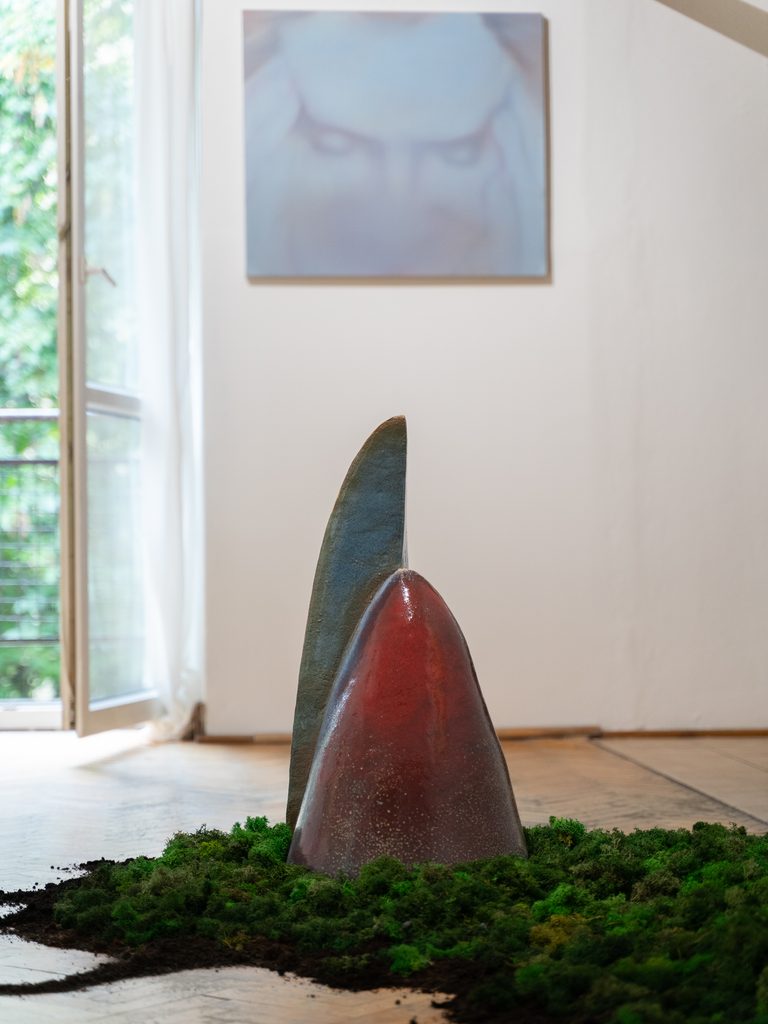
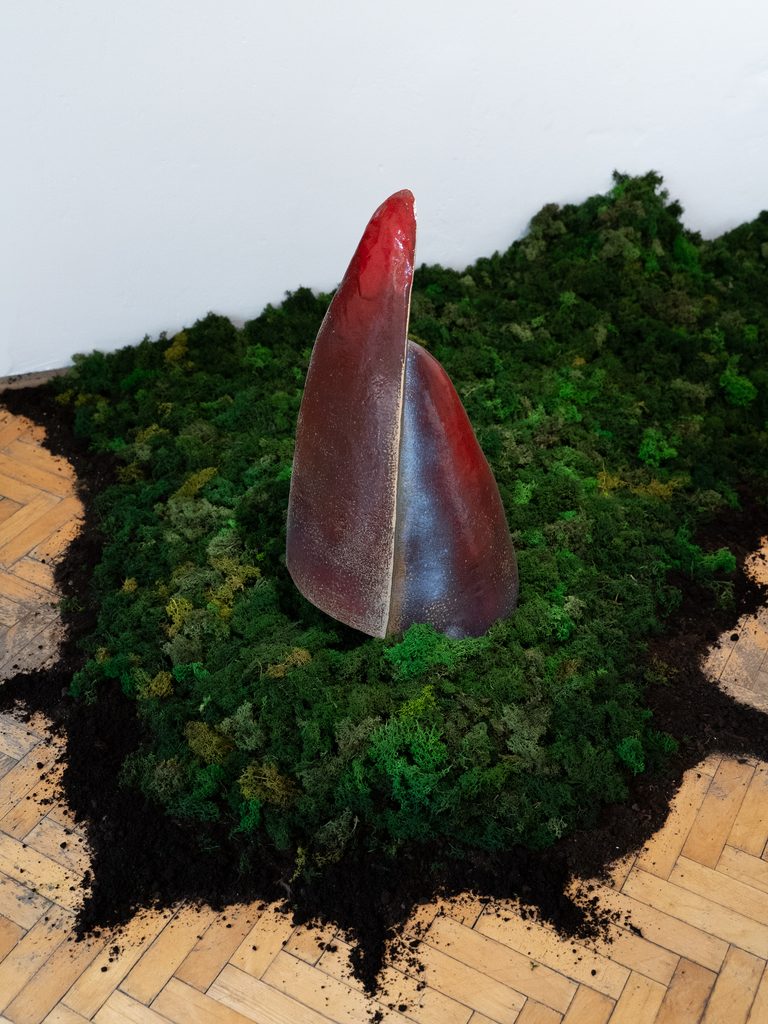
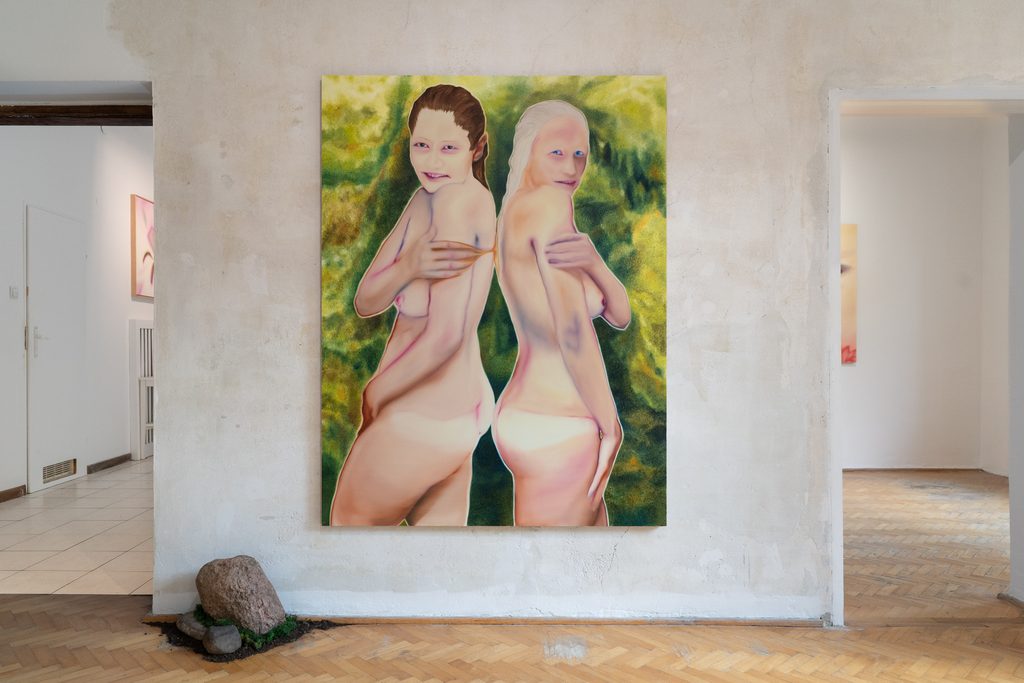
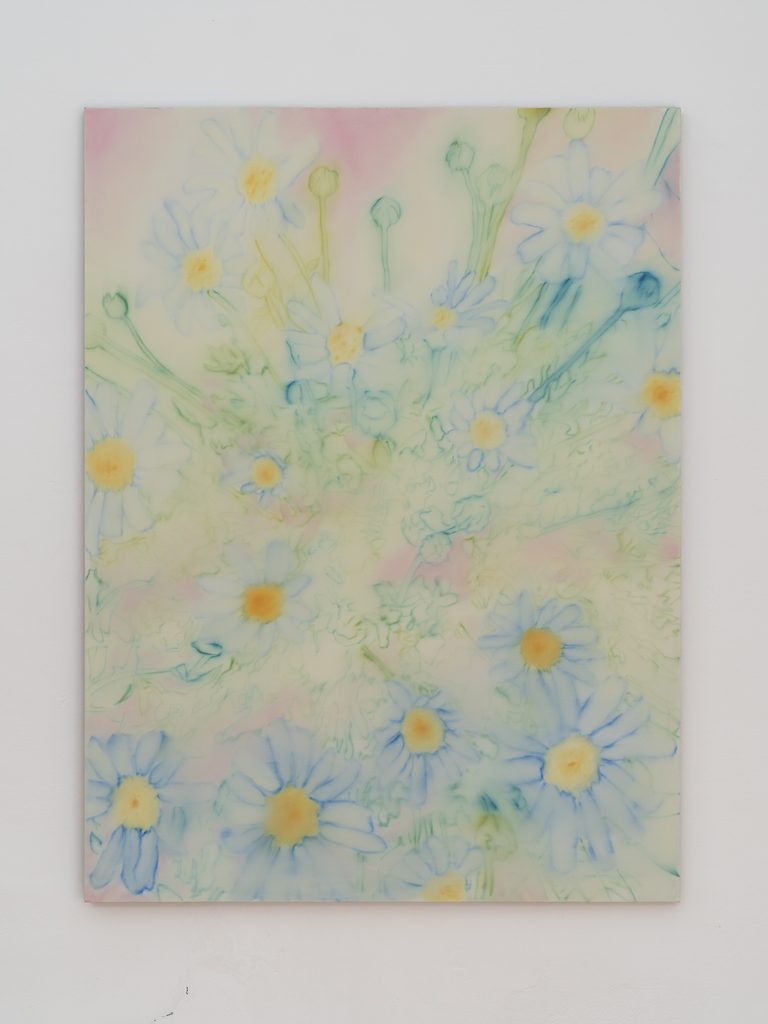
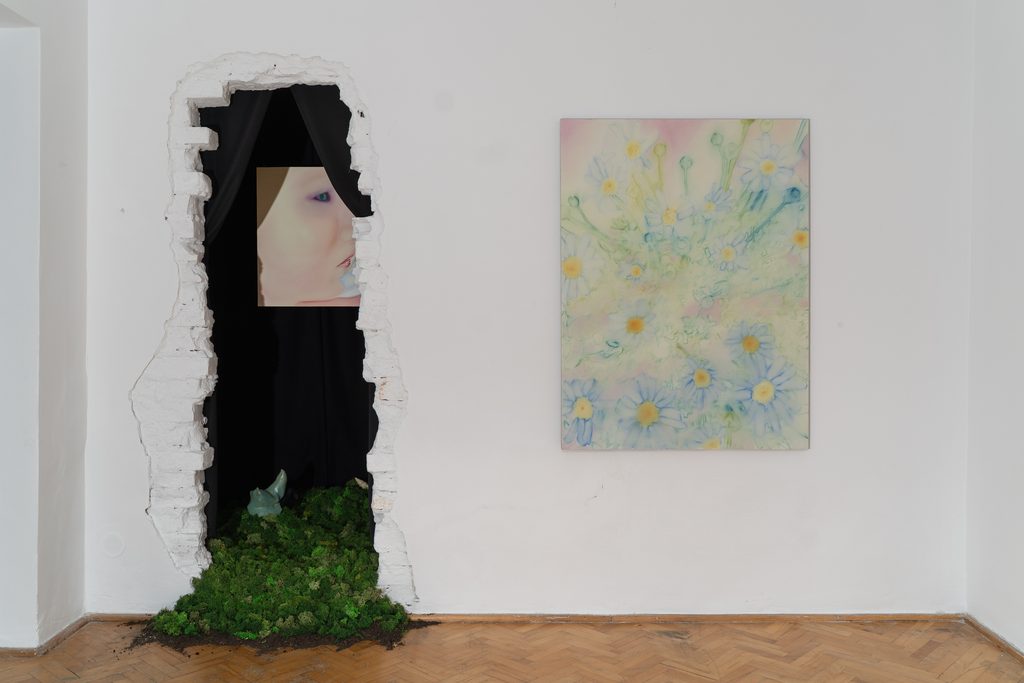
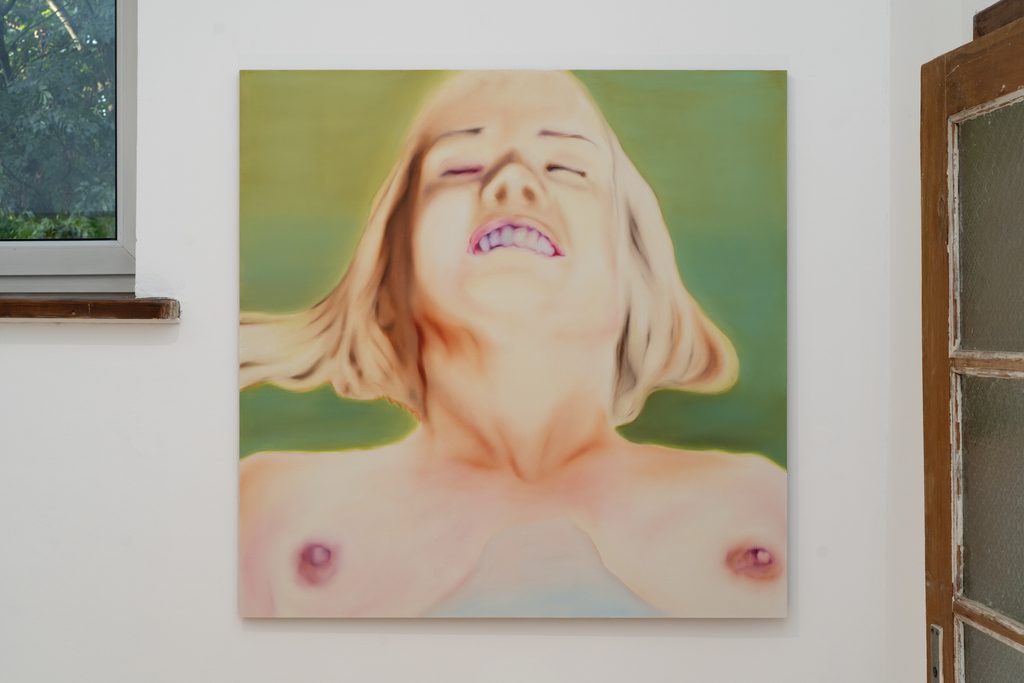
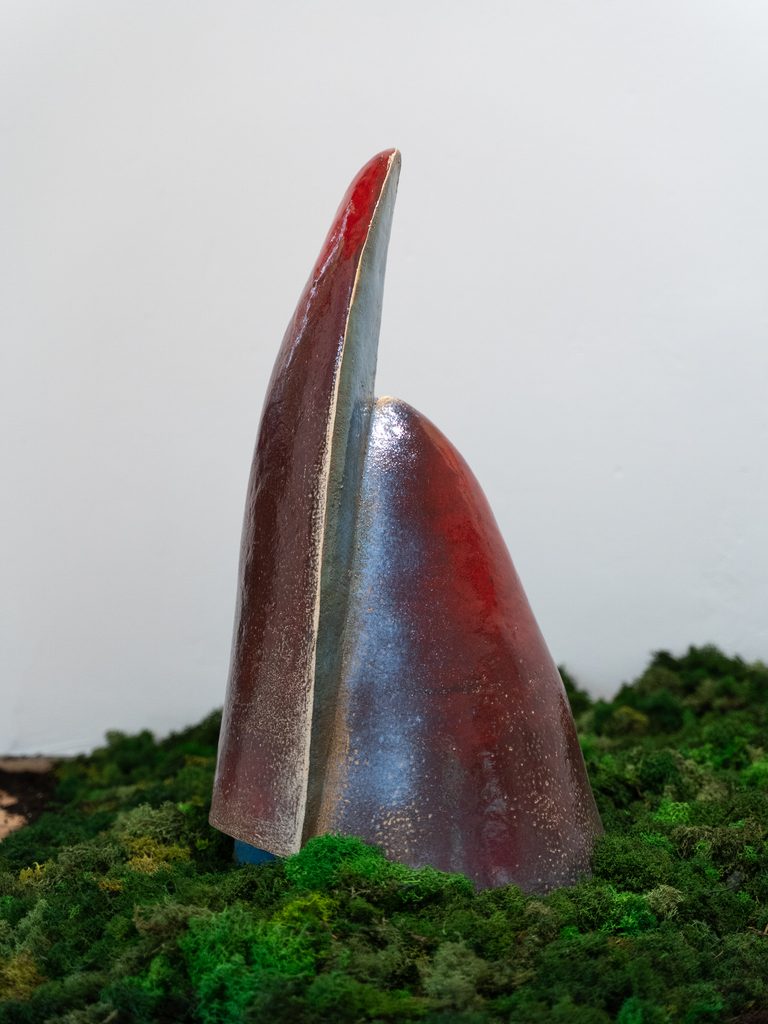
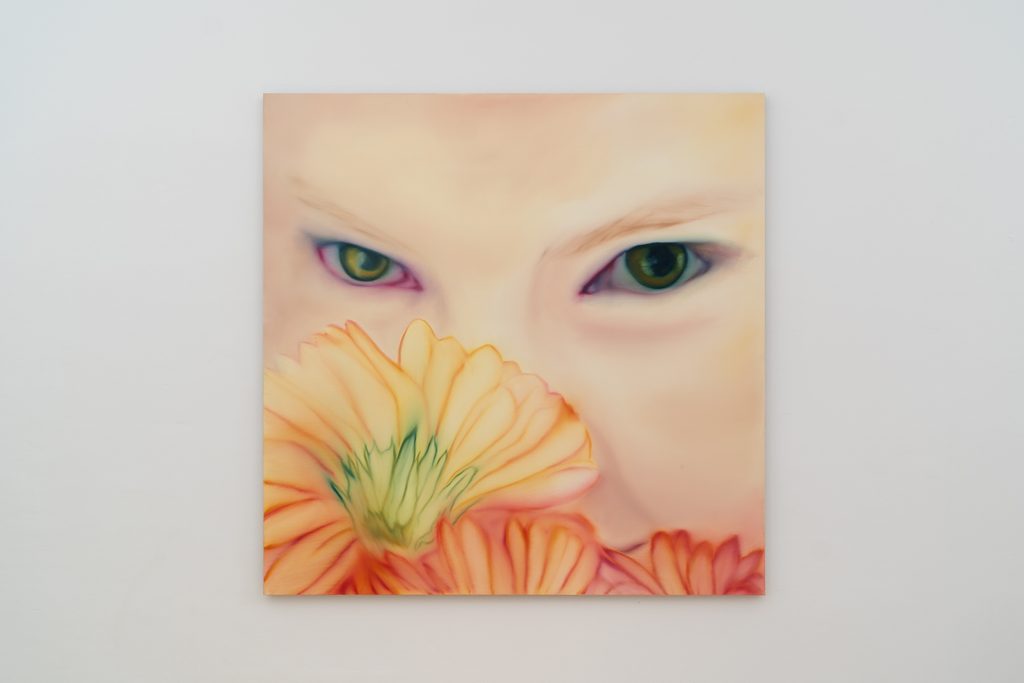
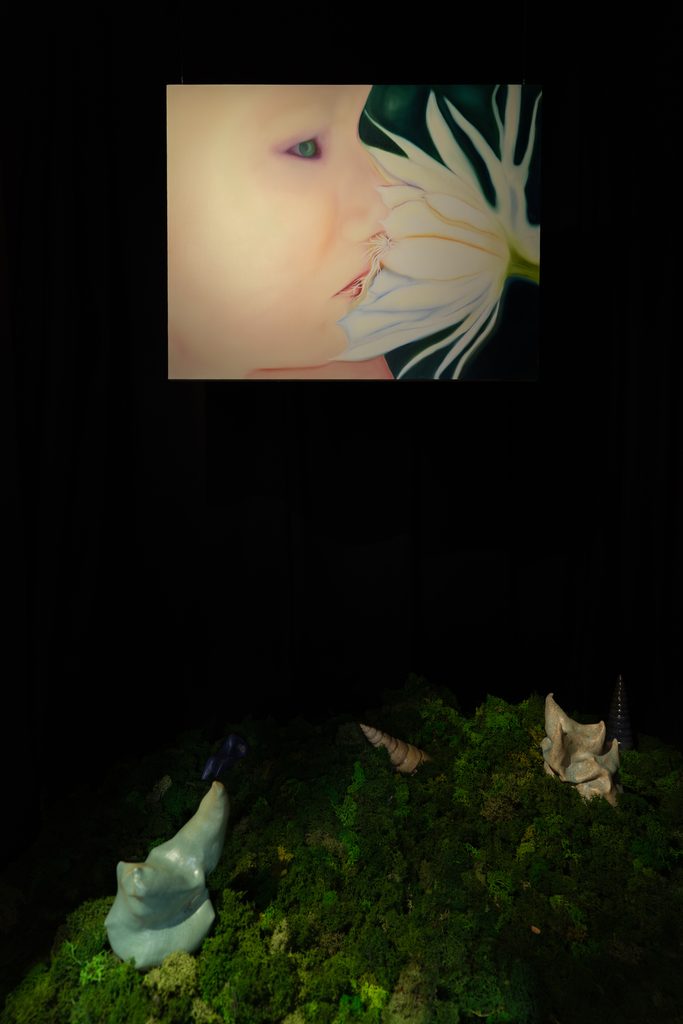
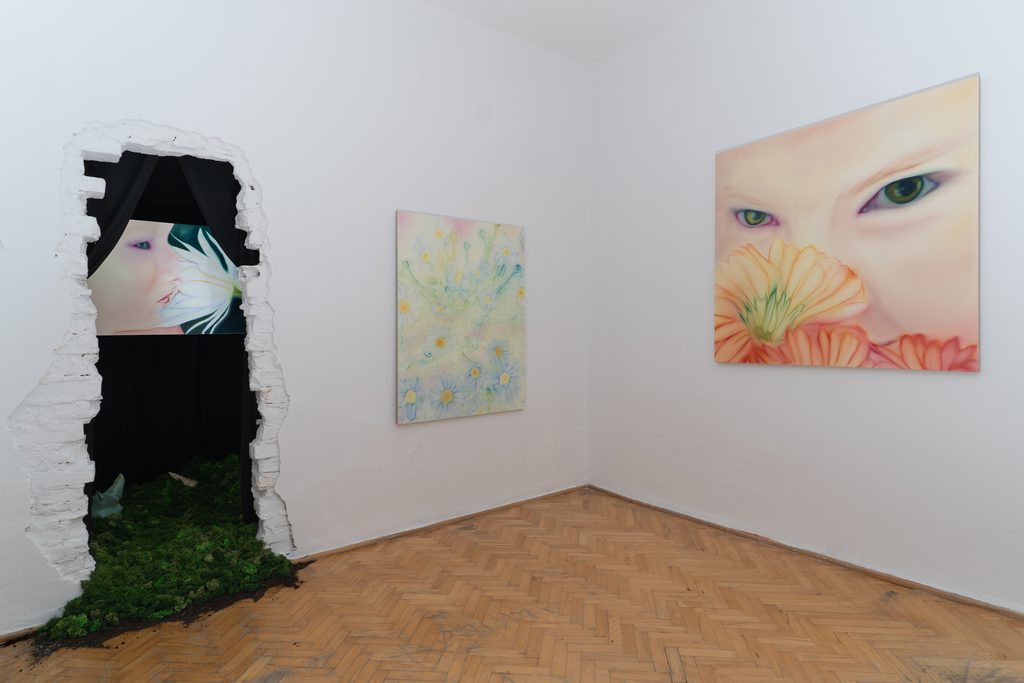
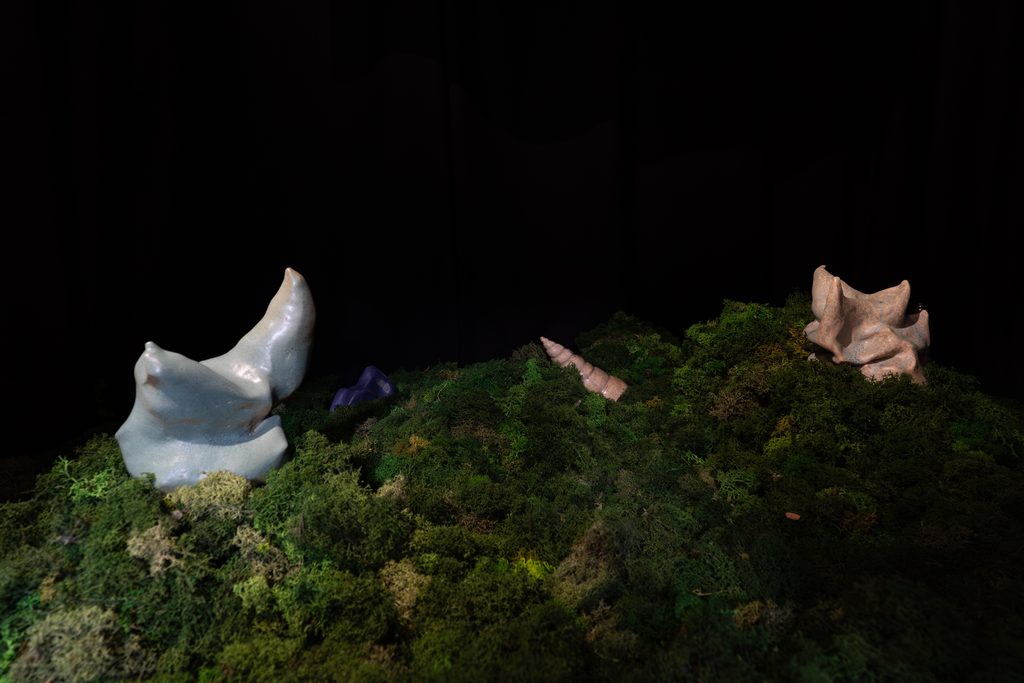
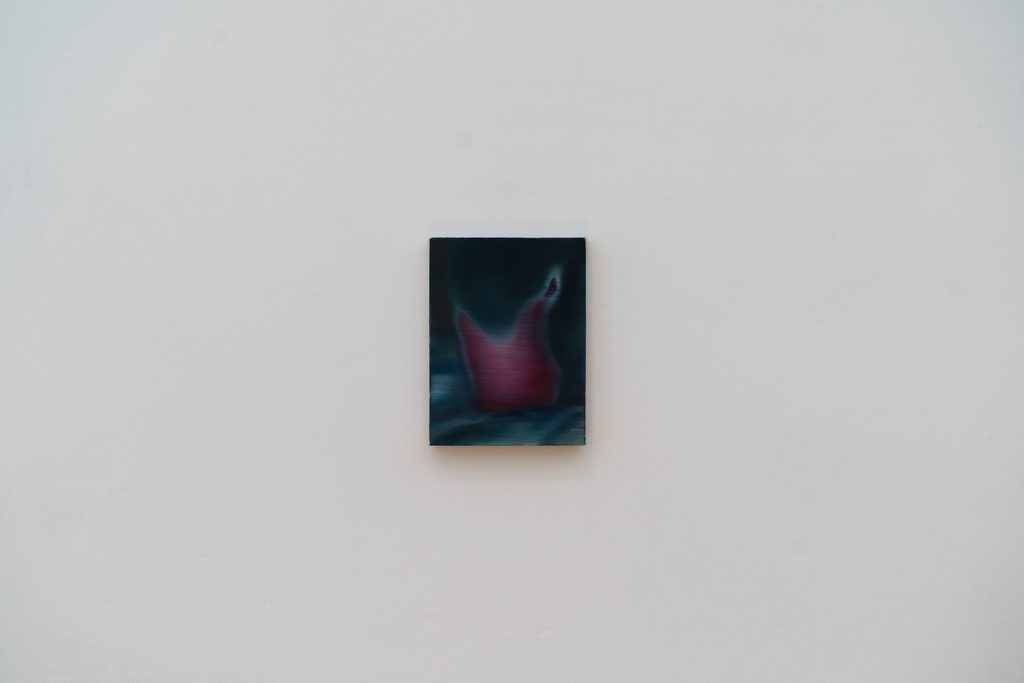
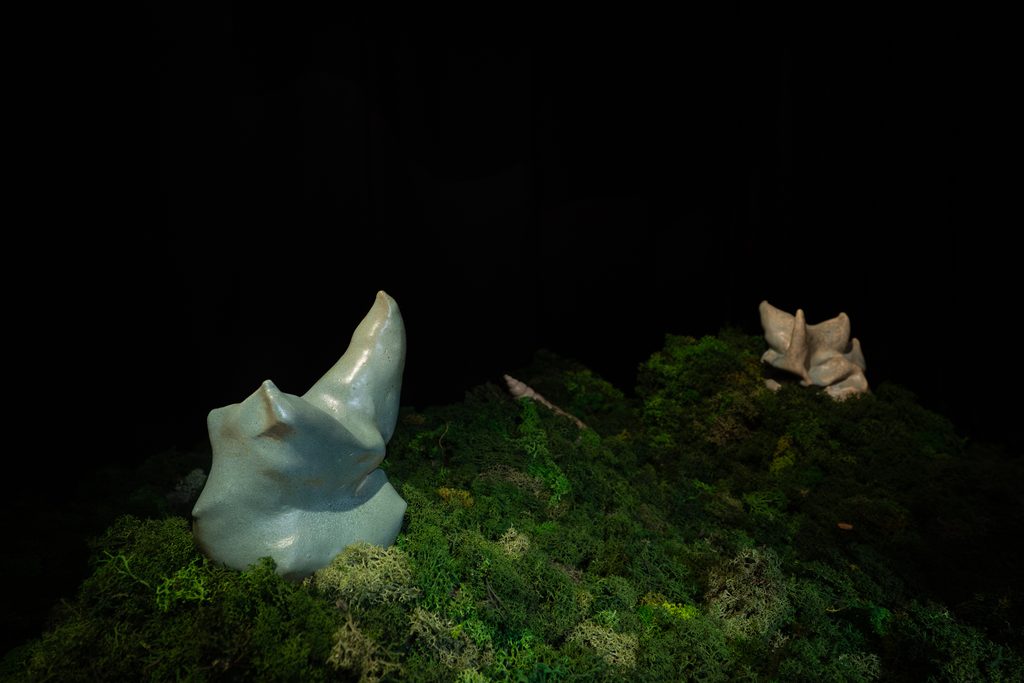
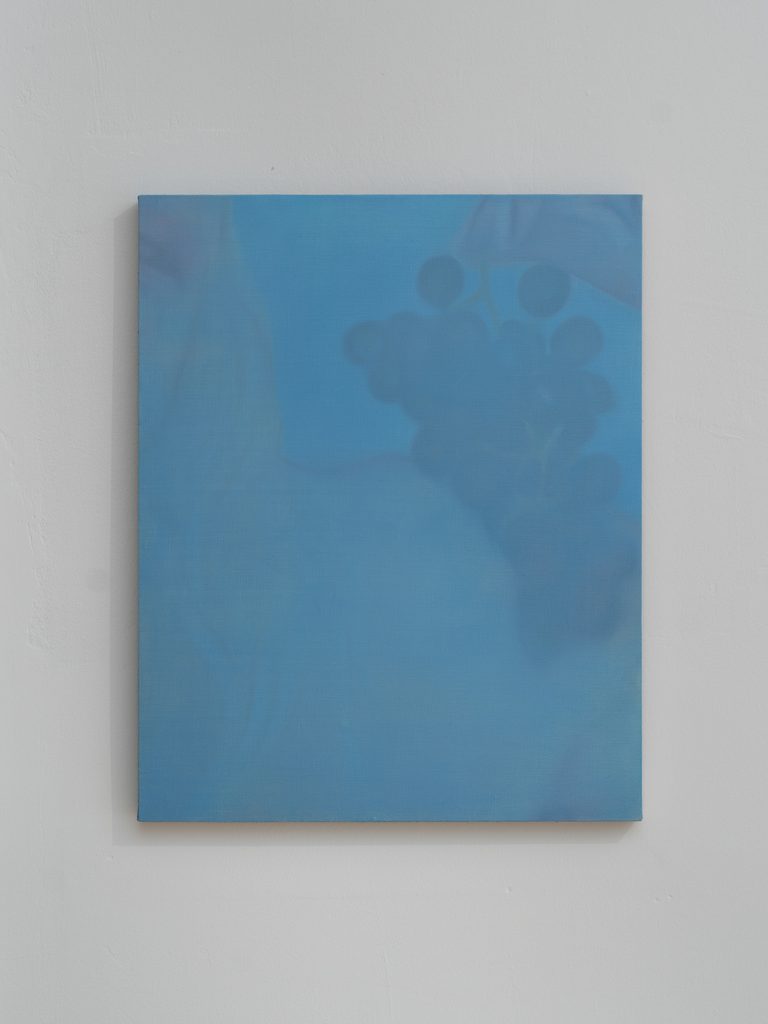
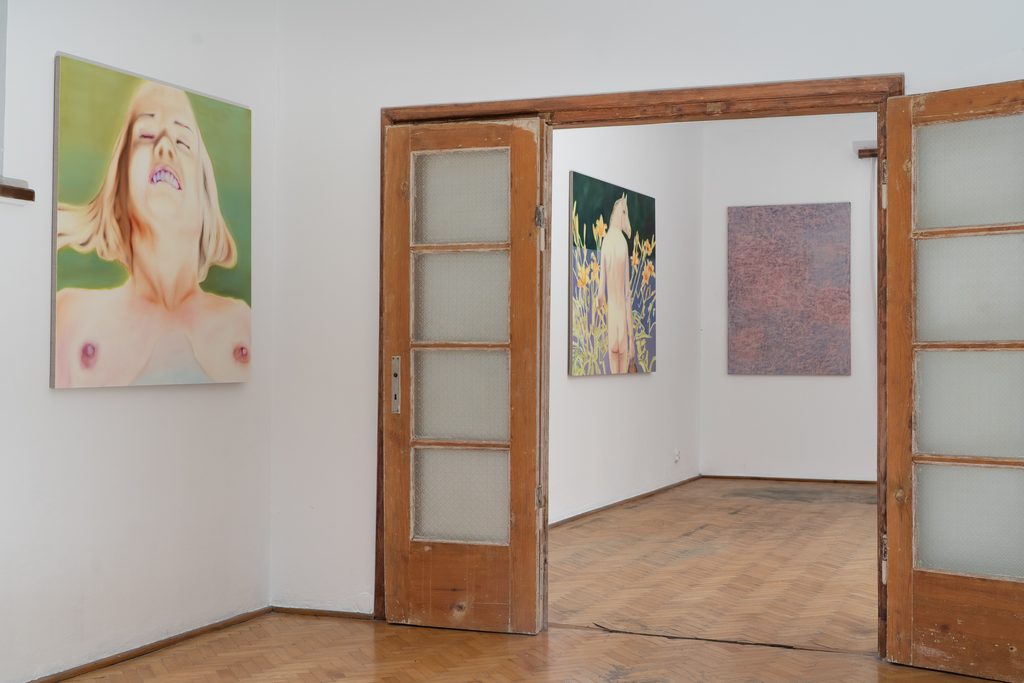
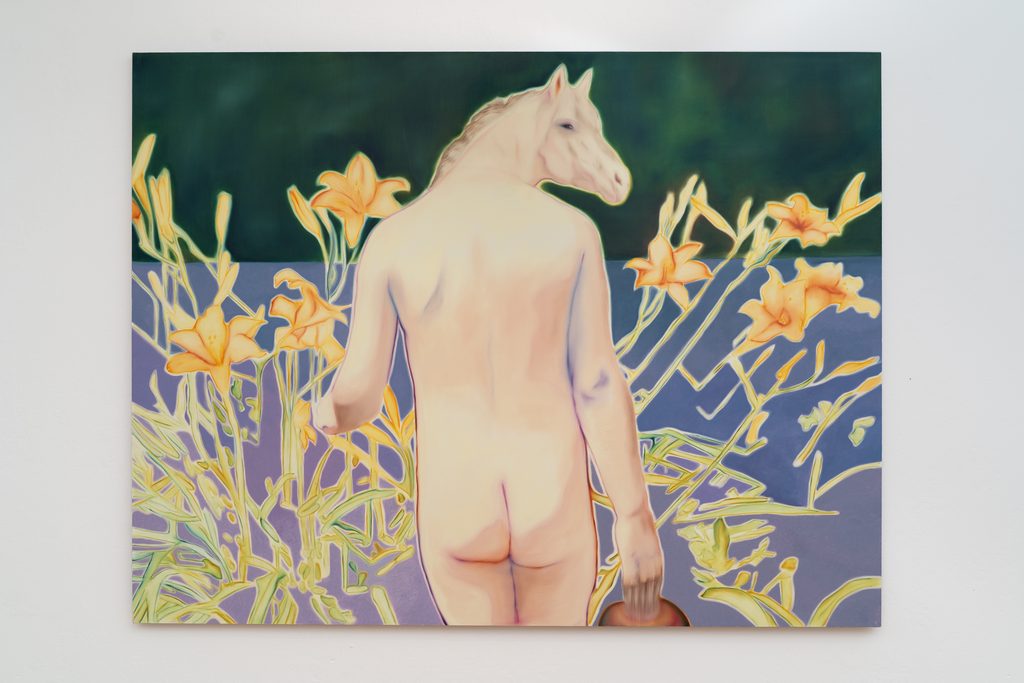
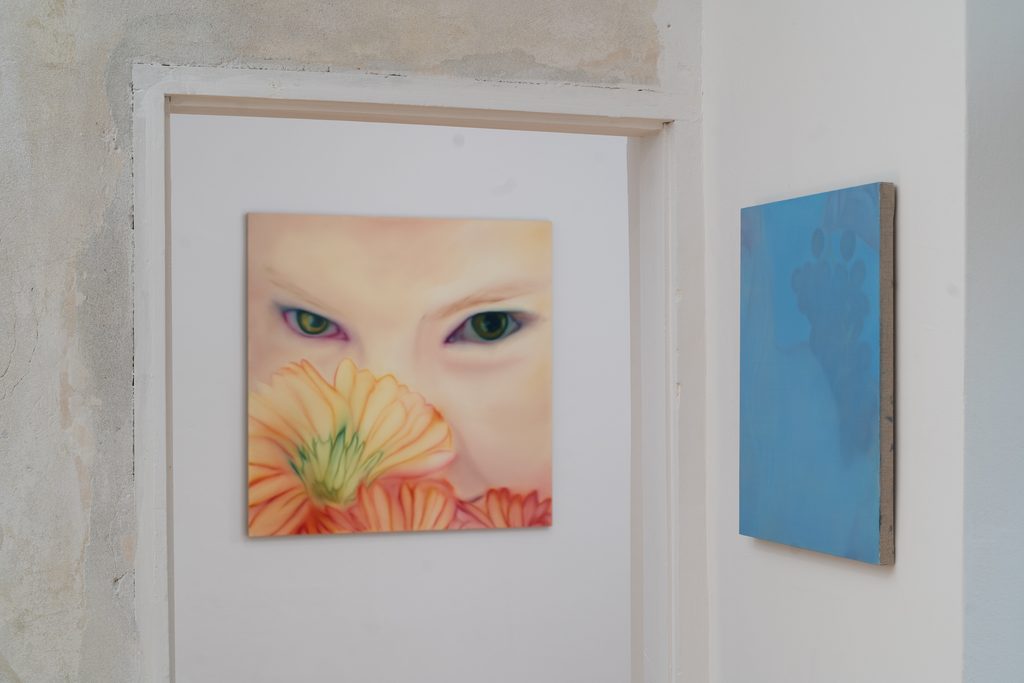
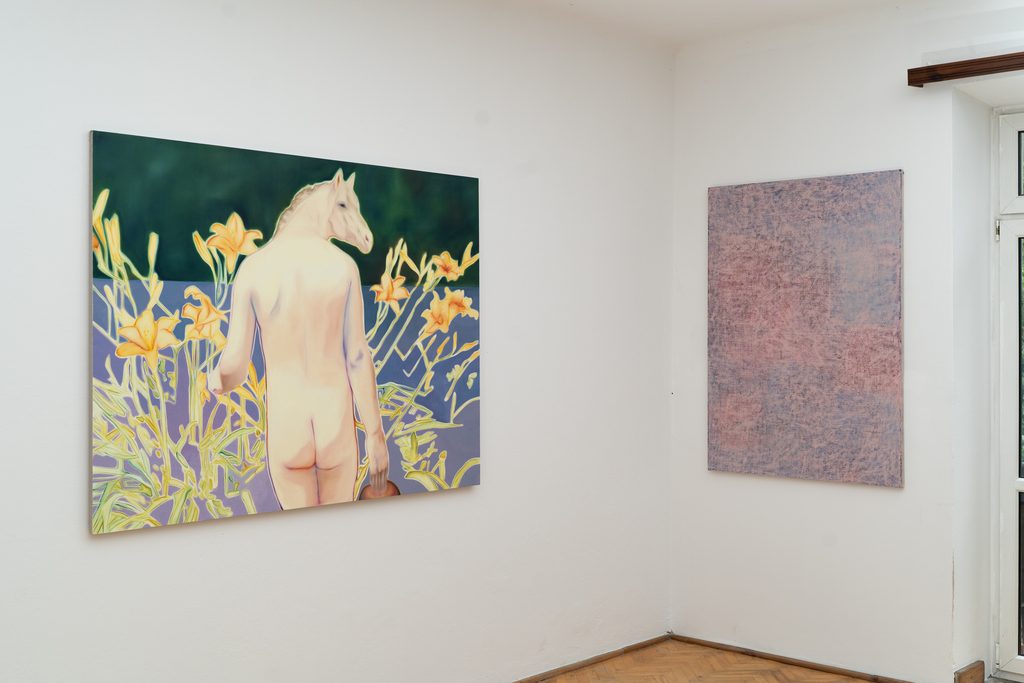
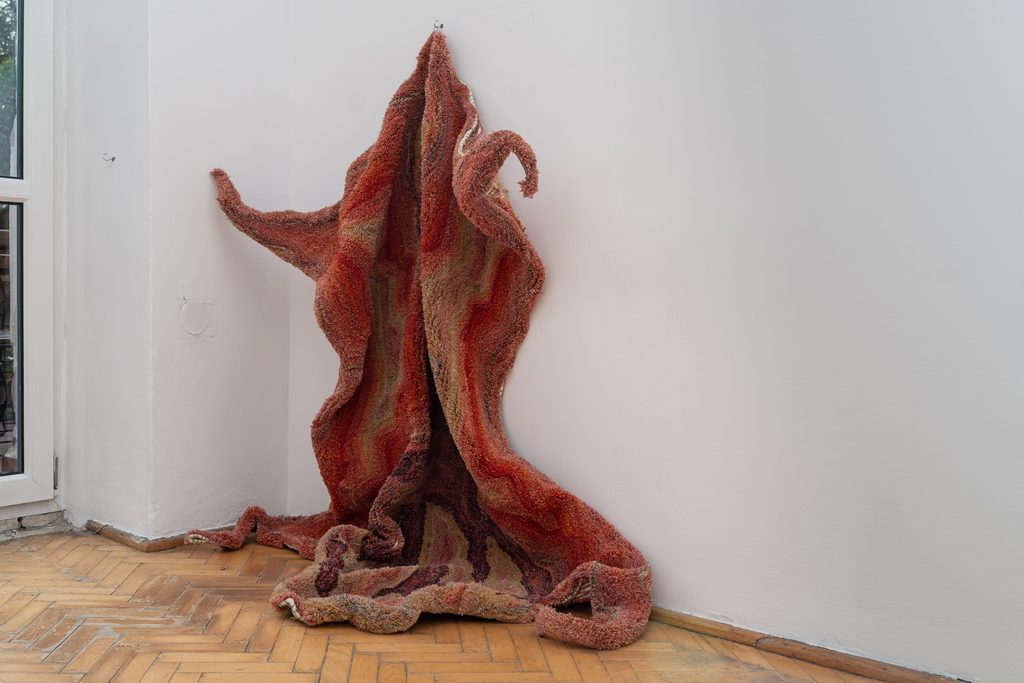
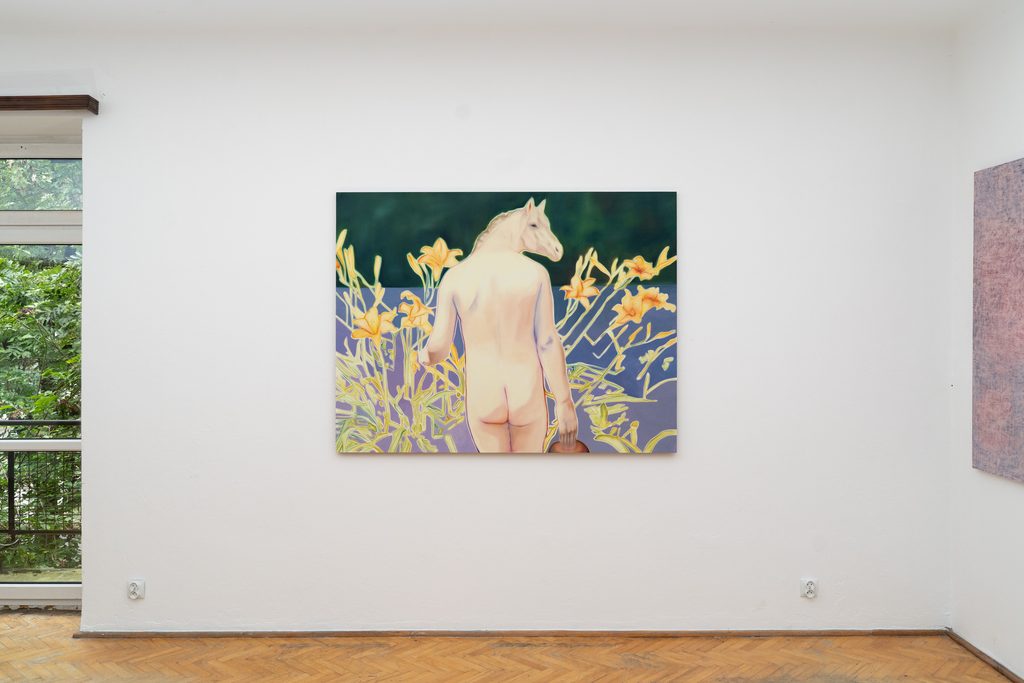
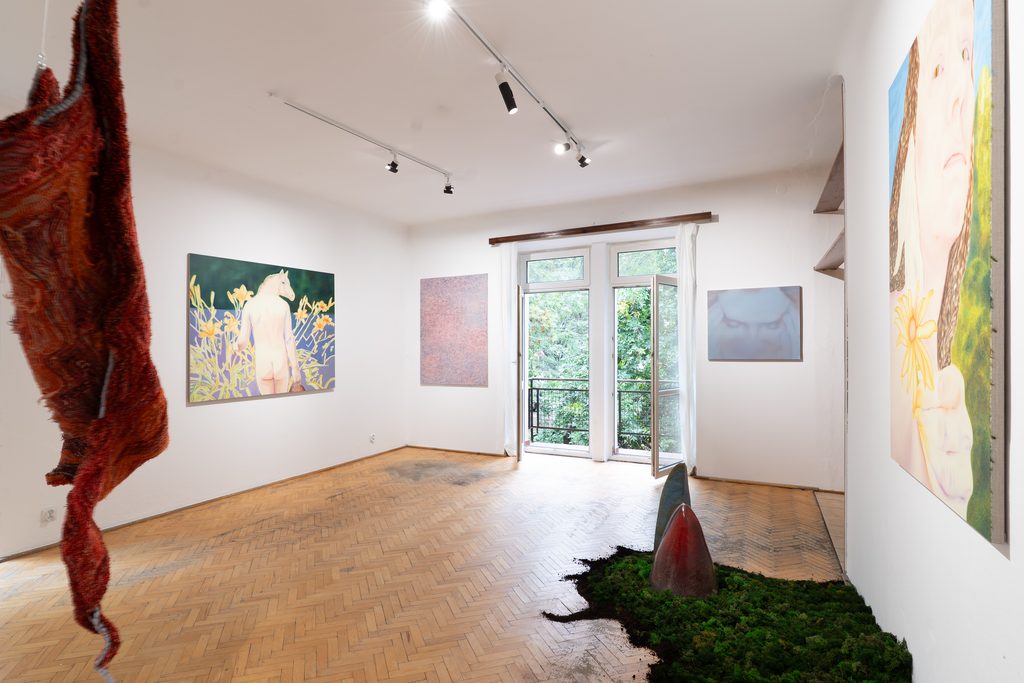
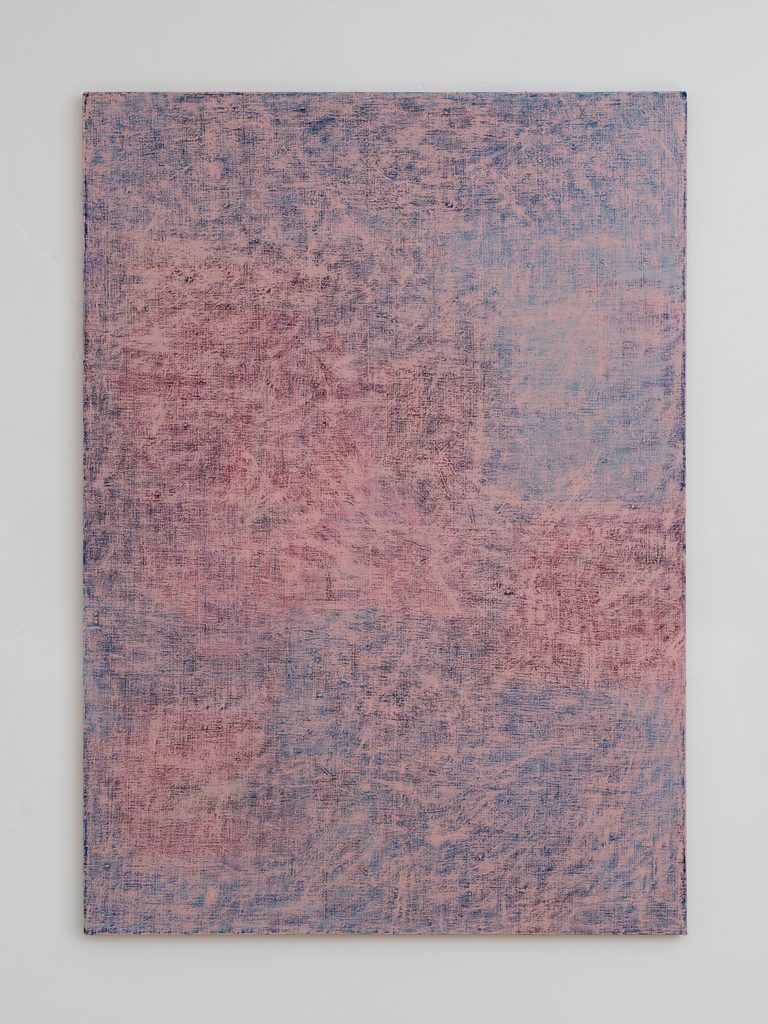
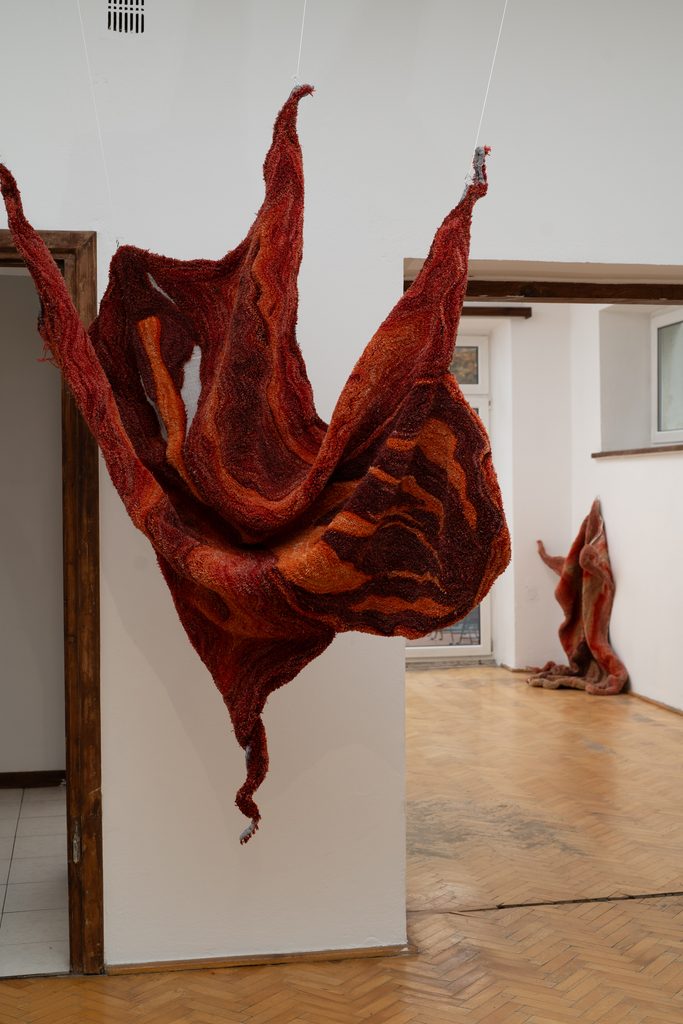
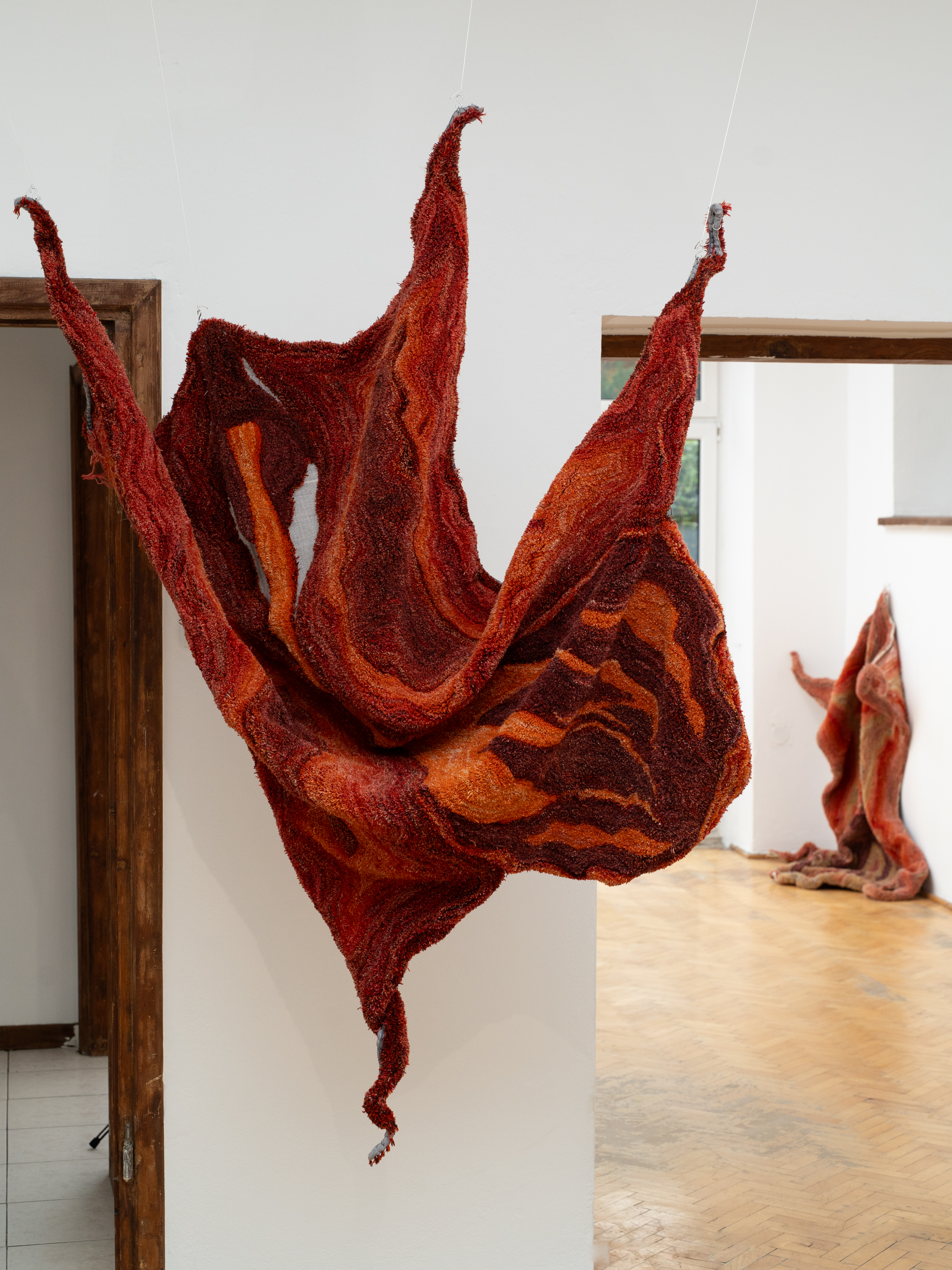
The garden breathes heavy, humid air. It is saturated with the scent of iron and overripe fruit. Cadaverine, mustiness, stagnant water? Beyond the embankment, a riverbed winds its way towards the lake. The river’s icy, turbulent body plunges into the lake’s embrace, mingling with the tissue of duckweed, submerged branches and suspended organic matter. Only on the opposite shore can one draw a full breath. The forest growing along the edges of a narrow strip of sand offers relief from the heat. Here, everything is resinous and soft. Moss spreads between a network of thick roots, forming a fleshy carpet. A Medusa-woman walks across it, settles by the water and, wiping the tart juice from the corners of her mouth, looks. The Beautiful Monster inhabits the realm of nomadic subjectivity. Sporn sculpts her body as a site of ceaseless flows of matter, affects and dependencies. She is hybrid, wild, entangled. Her self is deeply embodied. Her gaze cannot be consumed with impunity. Nor can she be held within a stable category of the human, and the human, together with his machines, cannot entrench himself at the centre of her map. His technobody becomes overgrown with undergrowth. It rots and grows; a corpse transforms into a meadow full of flowers and perennials. An atmosphere of unease pervades Katarzyna’s paintings. Working through the language of embodied phantasmagoria, the artist portrays a dynamic world brimming with energy. A world of ceaseless transformations, freely reconfigured by the beings that inhabit it. Ceramic objects lend weight to the exhibition: hewn, caressed, formed from within, through feeling. Like the textiles on display, they evoke spiritual practices within female lineages of transmission — practices bound to matter and touch, but also to pain passed down by female ancestors.
The title “ZOE. A Body Without a Centre, a Body in Relation” draws on the Greek concept taken up by Rosi Braidotti. Zoe signifies life itself: a force independent of the expectations of sovereign consciousness, one that eludes oversight. It does not remain confined within a single organism — it circulates, transforms and enters into new relations. It is generative and self-organising. It differs from bios, which encompasses biography, identity and social position. A “body without a centre” therefore does not mean a body devoid of interiority or its own distinctness, but a body that is not a self-sufficient, overarching whole. It comes into being and endures through continual exchange with its surroundings. It breathes, absorbs, feeds, excretes and decomposes. Other organisms inhabit it, and the matter of which it is composed once belonged, and will later belong, to other beings. It is a body in relation.
MISE EN — 12-27 IX 2026 Warszawa
curator and author of the text: Iza Gierszewsk
Photo Gustaw Gozdecki